The winner
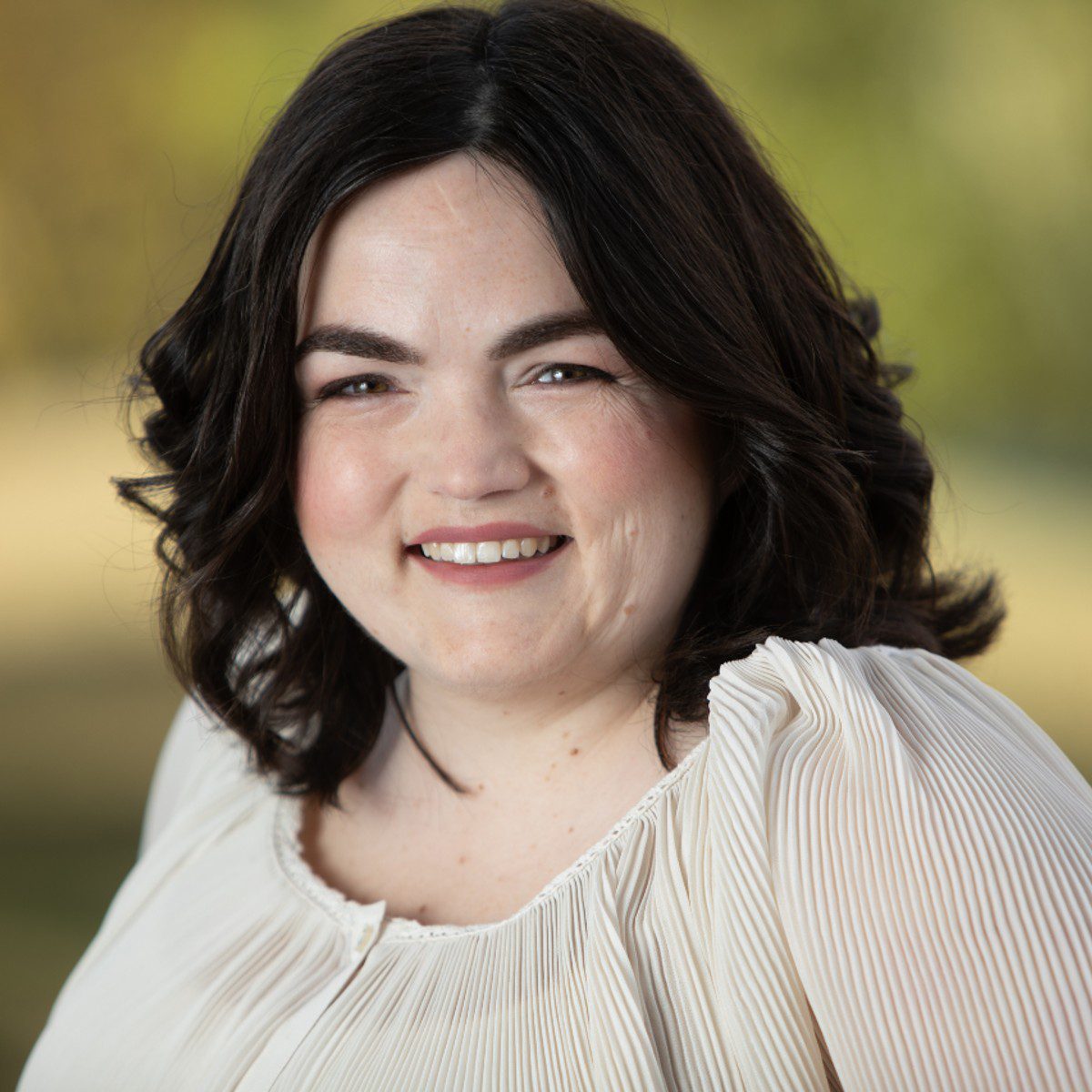
Our 2025 Second-Half Scholarship winner is Louise Paget! Please join us in congratulating her on both her win and her growing family! We hope you enjoy reading her entry below.
We had a deluge of really fantastic responses. Huge thank you to all who submitted!
Our scholarship essay prompt
Share your favourite story that involves money.
Louise’s response
Money & Freedom, 2 years later
If you told me two years ago that I’d be sitting here writing about how money actually became one of my greatest teachers, I probably would’ve laughed in your face or, more likely, poured another drink and changed the subject. Back then, I was deep in the kind of mess that money and addiction can create. I had three credit cards, all maxed out to the limit, about six thousand dollars in debt, and a bank account that usually hovered somewhere between ten bucks and “please decline so I don’t embarrass myself.” Every dollar that came my way had one destination: the liquor store.
I remember scraping through the couch cushions and car seats, desperate to find enough change to buy a mickey of vodka. Sometimes I’d stand at the counter with a pile of nickels, dimes, and shame, trying to explain that yes, this really was all I had. It wasn’t even about drinking for fun anymore; it was survival. Or at least what my addicted brain told me survival looked like. The funny part? Even in the middle of all that chaos, I still told myself I’d figure it out “next paycheck.” But next paycheck never came, not really. It just disappeared into the same cycle of debt, guilt, and quick fixes.
Money back then was this impossible thing, something other people managed and respected, while I used it like kindling for whatever fire I was trying to put out that day. I didn’t realize that money, like anything else, reflects your relationship with yourself. When I was careless and self-destructive, so was my spending. When I didn’t think I deserved better, I didn’t try to manage better.
The turning point wasn’t glamorous. It didn’t happen in some big “aha” moment. It happened quietly, in the aftermath of losing almost everything. I’d hit a point where the debt collectors weren’t even shocking anymore; they were background noise. The real pain came from realizing how far I’d drifted from the person I wanted to be. Sobriety didn’t come easy, but when it did, it brought along an uncomfortable but necessary friend: accountability.
When I got sober, I started looking at my money differently. It wasn’t this abstract, scary thing anymore; it was part of my new foundation. I knew I couldn’t rebuild my life if I was still drowning in financial chaos, so I made a plan. I started with the smallest step possible: paying my minimum balances. That was it. Just the minimum. And then the next month, a little more. It wasn’t quick, and it wasn’t exciting, but slowly, it started to work.
The first time I paid off a credit card, I cried. Not because it was about the money, but because it was proof that I could finish something again. It was proof that I could be trusted with responsibility, with my life, my goals, my future. Each time I made a payment, I felt a little freer. And weirdly, the same energy I used to put into destruction started shifting into creation.
I learned that money can actually be empowering when it’s handled with intention. I stopped thinking of it as something I never had enough of and started treating it as something I could work with. I tracked every penny, not obsessively, but with curiosity. I wanted to see where my habits came from. Spoiler alert: most of them came from the same emotional void that alcohol used to fill. If I had a bad day, I wanted to spend. If I felt lonely, I’d order something online I didn’t need. Recognizing the connection between emotions and money was huge. It’s what helped
me start building healthier habits, not just financially, but emotionally too.
Today, my story looks a lot different. I have zero credit card debt, my bills are paid on time, and my credit score, the same one that used to make me cringe, is actually something I’m proud of. I even have savings, which is wild to me. There’s this quiet pride that comes from watching a little bit of money sit safely in your account instead of disappearing in a blur of bad decisions. It’s like watching your inner peace grow a few numbers at a time.
Money doesn’t control me anymore. I control it. And that shift, from survival to stability, changed everything about how I see value. I’ve learned that wealth isn’t about how much you have; it’s about how you handle what you’ve got. When I was broke, I was reckless. Now that I’m financially stable, I’m careful, but not fearful. I use my money to support my goals, my education, and sometimes, to treat myself to something small that actually means something.
It’s funny because I used to think money stories were supposed to be glamorous, you know, the kind where someone invests in Bitcoin at the right time or flips houses and becomes a millionaire. Mine’s not like that. My favourite story about money is that I stopped running from it. I faced it, took ownership of it, and turned it from a source of shame into a symbol of growth.
Now, every time I transfer money into savings or check my balance without anxiety, I think of that girl two years ago, the one counting out change for vodka, too scared to check her account. I wish I could tell her she’d make it here. That she’d get sober, go back to school, and start building something that lasts. That she’d learn that money isn’t evil or impossible, it’s simply a tool, and in the right hands, her hands, it can build a brand new life.
That’s my story about money. It’s not perfect, but it’s real. It’s proof that no matter how deep you’re in, you can dig yourself out. Dollar by dollar. Decision by decision. And for me, that’s worth more than any amount of money I could ever make.